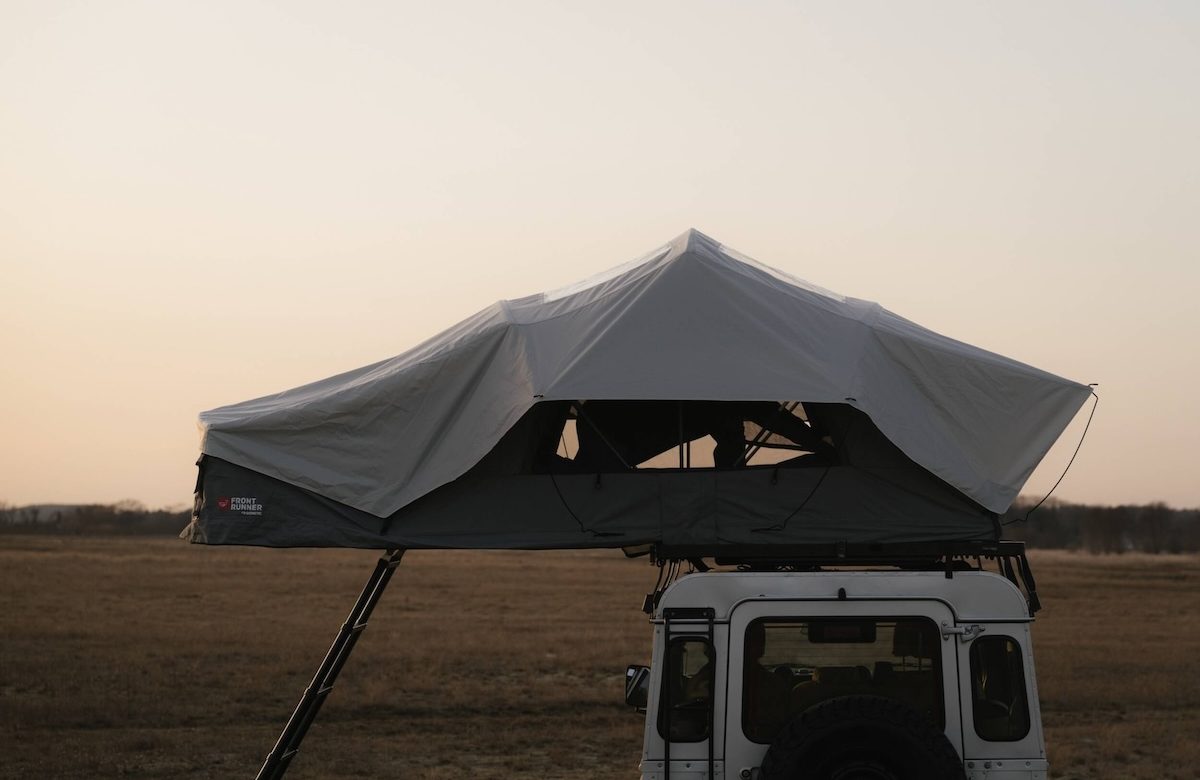
A whopping £400 000 – approximately R9 million at current exchange rates – is what the unique two-millionth Series Land Rover and Defender sold for when it went under the hammer at Bonhams auction house in London last month.
Despite the stars and well-heeled in attendance, it was not all about the bling. All proceeds from the sale will be donated to Land Rover’s humanitarian and conservation partners: the International Federation of Red Cross and Red Crescent Societies (IFRC), who will use the donation to help communities in South-East Nepal to improve how they tackle natural disasters, and the Born Free Foundation who plan to use the funds to support the ‘Project Lion Rover’ wildlife conservation initiative in Meru National Park, Kenya.
Project Lion Rover in Meru. @BFFoundation and Rover support our wild lions- since long. http://t.co/siwCl0UM4t pic.twitter.com/RIZ7BRytiC
— Murera Springs (@MureraS) November 13, 2014
Bonhams audience in awe @LandRoverUK Defender 2m goes for £400,000! 50:50 @BritishRedCross @BFFoundation Thank you! pic.twitter.com/o7fS5RlUPo
— Will Travers (@willtravers) December 17, 2015
The unique vehicle, the two-millionth of the iconic Series Land Rover and Defender models manufactured at Land Rover’s Solihull plant since 1948, was sold to a bidder from Qatar.
It was built in 2015 as part of a year of celebrations for the much loved 4×4 which will cease manufacturing in Solihull in January 2016 and boasts a host of distinctive and bespoke finishing features including an engraved map of Red Wharf Bay – where the design for the original Land Rover was first drawn in the sand, and a unique ‘no 2 000 000’ badge. Inside, the leather seats also feature the ‘Red Wharf Bay’ graphic and ‘no 2 000 000’ logos have been stitched on the headrests. A bespoke aluminium plaque, signed by everyone who helped to assemble the vehicle is fitted to the driver’s seat. Special S90 HUE registration plates provide a fitting tribute to the first ever pre-production Land Rover, registration ‘HUE 166’.