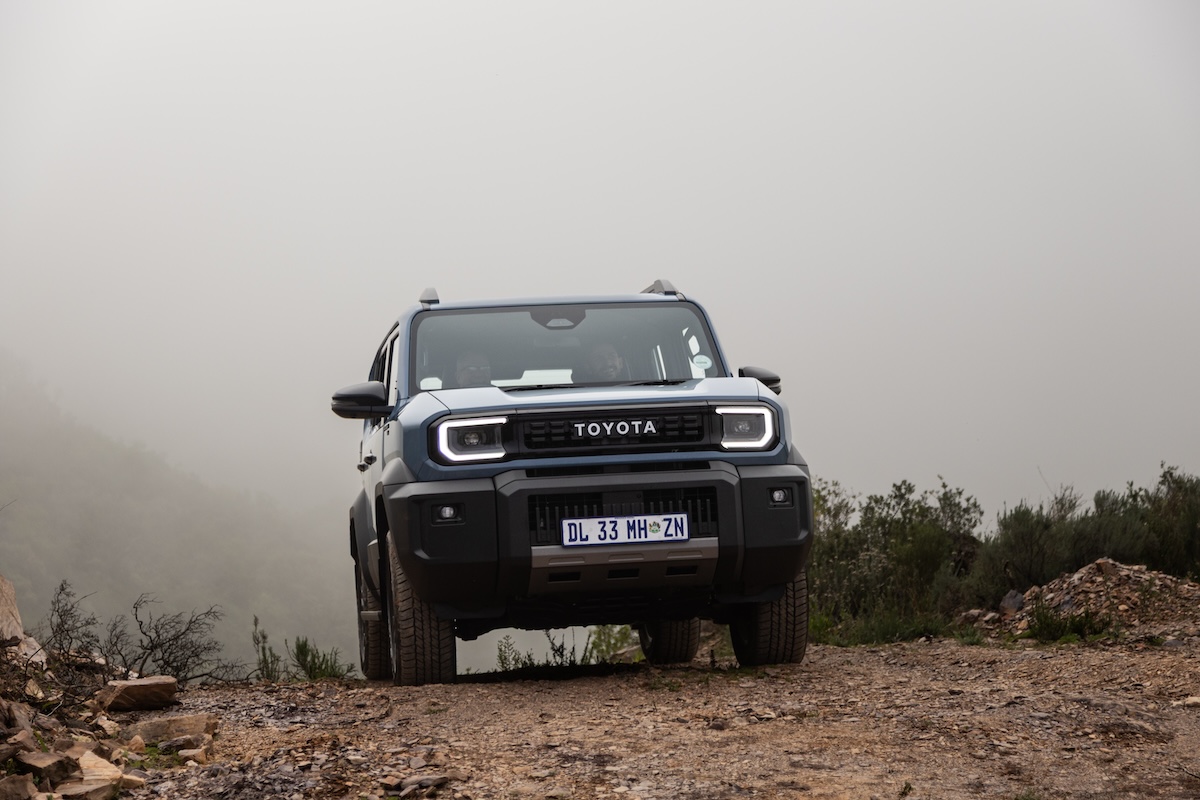
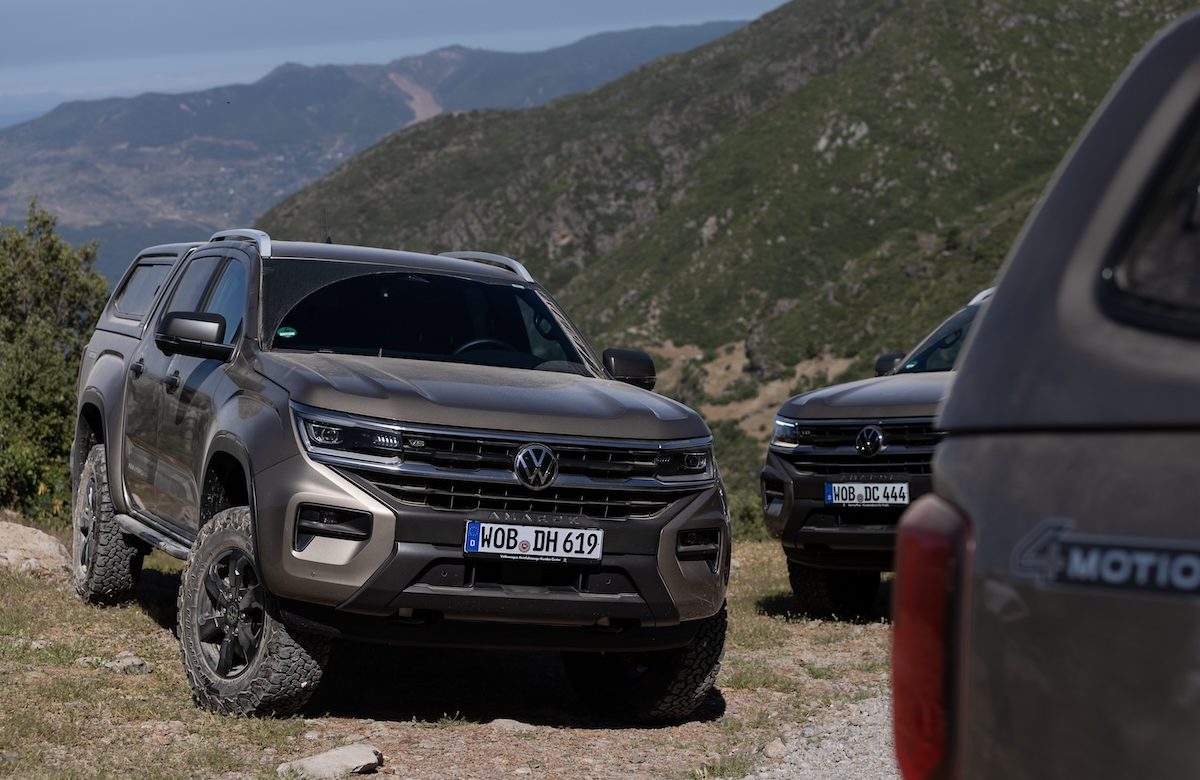
There is a moment, just after you settle into the V-Cross, when the bakkie stops feeling like a work tool and starts feeling like the long-weekend plan you actually wanted. The seat is high, the bonnet is honest, and the Western Cape dirt road ahead is already doing more than the brochure.
We put 2 400 kilometres on it in December: school-holiday traffic, a loaded load bay, a night on the Pass, and enough corrugations to tell you whether the rear end is a partner or a punishment. The short version is that Isuzu still knows what a double-cab is for.
On the road
On tar the V-Cross is quieter than the last one we lived with, and the automatic is less eager to hunt. You feel the bakkie’s length in town, then forget it on the N1. Steering is slow in the best way: you point it, it stays pointed, and the wind noise never quite becomes the story.
Ride quality with a half-load is the sweet spot. Empty, the rear still skips a little on broken Cape tar. Loaded, it settles into the kind of lope that makes a 600-kilometre day feel like a plan rather than a dare.
It never felt like it was working hard, and after 2 400 kilometres, neither did I.
Off the road
Low range is there when you want it, and the traction systems stay out of the way until they are useful. We climbed a wet, rutted farm track without drama and descended it without the gearbox arguing. Ground clearance is honest. Approach and departure angles are bakkie-honest, not brochure-honest.
It is not a rock crawler and it does not pretend to be. It is a double-cab that will take a family, a fridge and a weekend’s worth of bad decisions and bring them home with the same amount of paint it left with.
4.5
The Leisure Wheels verdict
ISUZU D-Max AT35 an off-road weapon
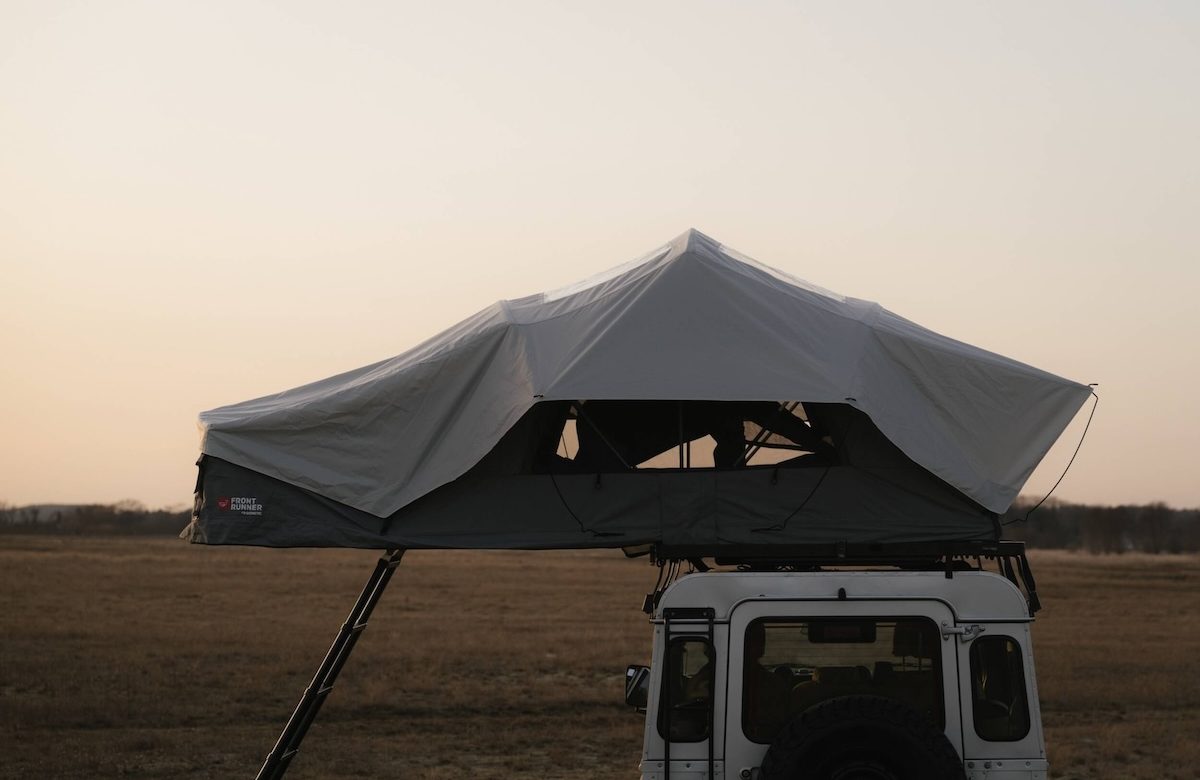
A double-cab that still does the work, then asks if you brought the rooftop tent. Comfortable on the N1, honest on a farm road, and priced like a bakkie rather than a lifestyle accessory.