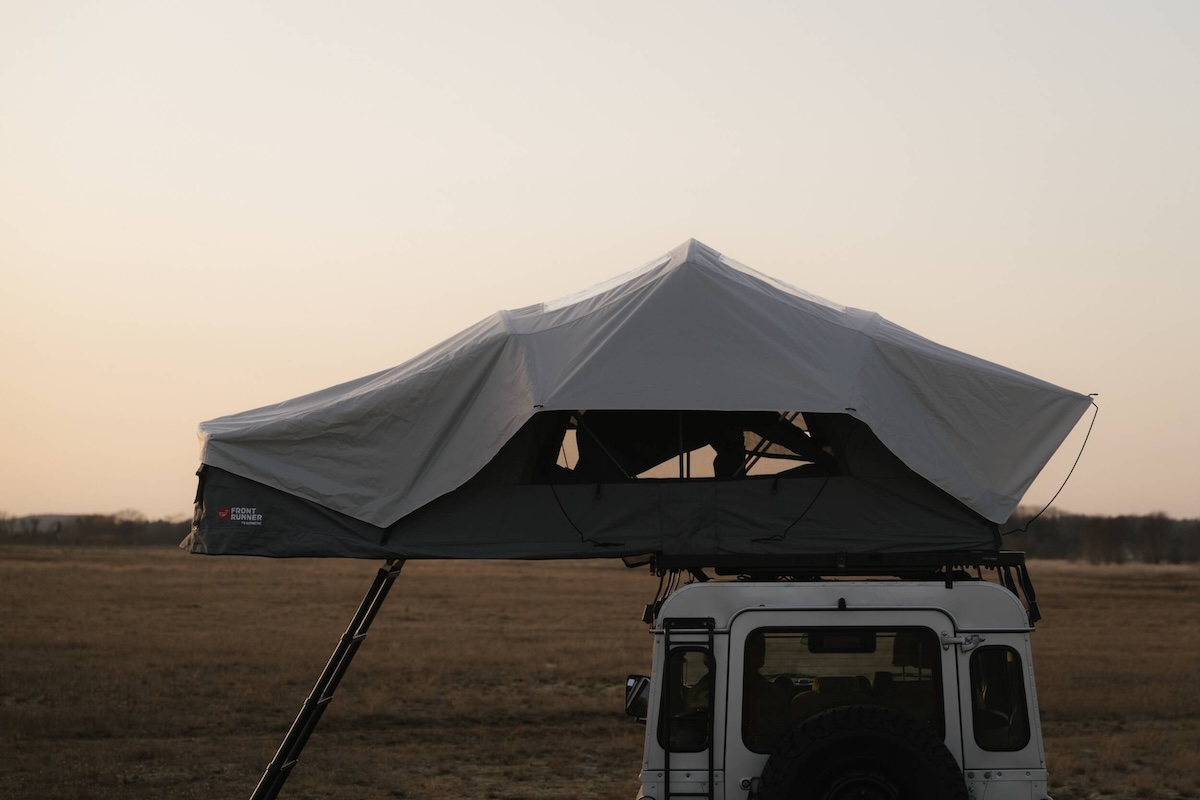

As off-roading grows in popularity, so does its environmental impact, but by adopting conscious off-roading practices we can take steps to minimise the impact on the environment. Here are some principles of conscious off-roading to consider.

1. Adhere to Leave No Trace Principles
Environmental Impact: Off-roading can lead to littering, soil erosion, and the destruction of vegetation. Failing to clean up after oneself or venturing off designated trails can leave lasting damage to natural areas.
Green Solution: Practising Leave No Trace principles is crucial. Always pack out all rubbish, stay on designated trails, and avoid sensitive habitats. Simple actions like these help preserve the natural beauty of wilderness areas, while keeping the natural habitat as healthy as possible.
Related: Mercedes-Benz electric G-Wagon emerges as G 580
2. Travel Light and Efficiently
Environmental Impact: Overloading vehicles with excessive gear can put additional stress on the environment and lead to higher fuel consumption. It can also result in a more significant footprint in the areas you travel through.
Green Solution: Embrace the “less is more” philosophy. Carry only essential gear such as recovery tools, sleeping arrangements, a fridge or cooler box, and basic cooking supplies. An overloaded vehicle is under stress and strain, which can increase wear and tear on both the vehicle and the trails. Travelling light reduces environmental impact, but also enhances your off-roading experience by making your vehicle more efficient and easier to handle.

3. Explore Locally
Environmental Impact: Long-distance travel to reach remote off-roading destinations contributes to higher carbon emissions and often requires significant resources.
Green Solution: Stat local, it can be just as rewarding as travelling to famous off-roading destinations. The reduced travel distances minimise emissions and fuel consumption. It also allows you to discover and appreciate the natural wonders closer to home, fostering a deeper connection with your local environment and promoting sustainable travel practices.
Related: Bulungula Eco Lodge and the Mercedes that runs on Wild Coast sun
4. Stick to Existing Tracks
Environmental Impact: Creating new tracks can cause significant environmental damage, including soil erosion, habitat destruction, and long-lasting scars on the landscape.
Green Solution: Always use existing tracks when off-roading. This practice helps minimise environmental damage and protects sensitive ecosystems. Local authorities and conservation organisations often emphasise the importance of staying on designated routes, especially in ecologically sensitive areas. By respecting these guidelines, you contribute to the preservation of natural landscapes.


5. Choose the right vehicle
Environmental Impact: Traditional off-road vehicles often have large, thirsty engines that contribute significantly to carbon emissions and fuel consumption. These vehicles also tend to cause more damage to trails and landscapes due to their weight and size.
Green Solution: Opt for smaller, more fuel-efficient vehicles or consider electric off-road options now available from certain manufacturers. These vehicles can handle most off-roading trails while significantly reducing your carbon footprint. While movement is being made in the electric 4×4 space, we have decided to list this as the last principle given that electric off-road options are still limited (and pricey), and the battery range remains a concern for those wanting to venture far into the wild. Mild-hybrid systems appear to be a more viable route forward at the moment, extending range and reducing CO2 emissions.