As SUVs and crossovers continue to dominate South African roads, it is important to understand the difference between all-wheel drive (AWD) and four-wheel drive (4WD or 4×4) . While both systems deliver power to all four wheels, they are built for very different conditions and driving styles. So which is better suited for you?

What is All-Wheel Drive (AWD)?
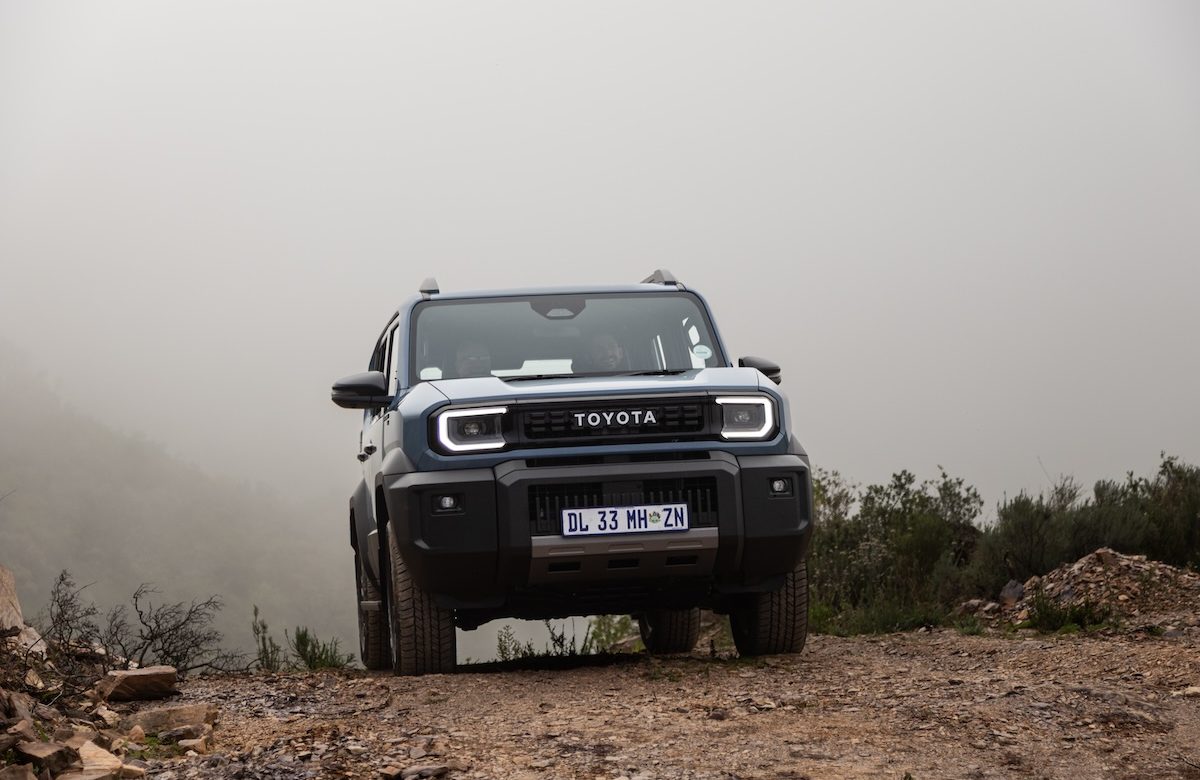
AWD is commonly found in crossovers and soft-road SUVs. It uses a centre differential or electronic system to automatically distribute power between the front and rear wheels. Most AWD systems are always active, or they engage when the vehicle detects slip, improving traction on loose gravel, wet tarmac or mild dirt tracks.
AWD is designed for light-duty off-road driving and better road handling in poor weather conditions. It’s ideal for drivers who mostly stick to tar but want added confidence on occasional trips to gravel roads, farm tracks or unpaved driveways. It also offers improved fuel efficiency and a smoother on-road driving experience compared to traditional 4WD.

What is Four-Wheel Drive (4WD or 4×4)?
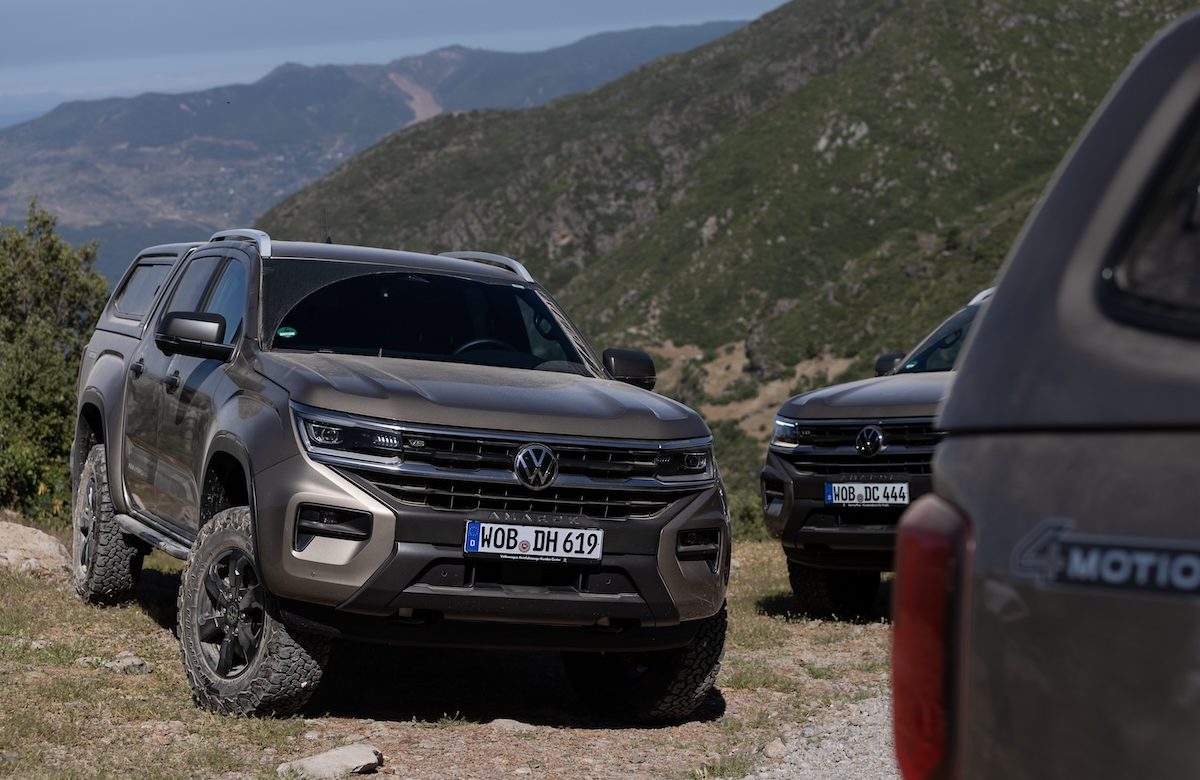
4WD is typically found in bakkies and serious off-road vehicles. Unlike AWD, 4WD systems are driver-controlled and usually include low-range gearing, which multiplies torque for crawling over obstacles, climbing steep hills or driving through sand and mud.
In most cases, power is split evenly between the front and rear axles when 4WD is engaged. This can make the system unsuitable for regular use on dry roads, as it can cause drivetrain strain. However, when conditions are rough, 4WD provides superior control and durability.
AWD vs 4WD: Key Differences at a Glance
| Feature | AWD | 4WD / 4×4 |
|---|---|---|
| Activation | Automatic or on-demand | Manually engaged |
| Low-range gearing | No | Yes |
| Terrain suitability | Light gravel, rain, tar | Mud, rocks, steep gradients |
| Ideal for | City driving with mild off-road | Serious off-road routes |
| Found in | Crossovers, soft-road SUVs | Bakkies, adventure SUVs |
Which One Should You Buy in 2025?
If you’re mostly commuting, driving on tar roads or occasionally heading onto gravel, AWD is likely the better fit. It’s low-maintenance, fuel-efficient and offers improved road handling in everyday conditions.
If your travels often take you off the grid—whether overland touring, camping, or trail driving—4WD is the more capable choice. Its mechanical robustness and low-range gearing allow confidence in the toughest conditions.
In short: AWD is for comfort and convenience, while 4WD is built for control and capability. The right choice depends on where you drive, how often, and how far off-road you plan to go.