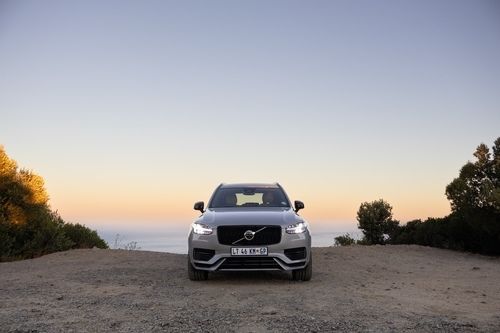
The Volvo XC90 T8 Recharge is the brand’s flagship plug-in hybrid SUV, offering seven-seat practicality, Scandinavian luxury and electrified performance in one large premium package. We got to spend a weekend with the refined Swedish SUV.
While we would have loved to welcome the Volvo XC90 T8 Recharge to our parking bay for a longer period of time, the three days we did get to spend with the polished PHEV were enough to understand the many qualities that continue to position Volvo at the forefront of sophistication and electric and hybrid progress. The XC90 T8 Recharge has carved out a distinct identity in an exclusive family of luxury full-sized SUVs, speaking to the buyer who prefers their luxury interpreted simply and delivered subtly. This XC90 model, in its current guise, is enjoying its final hurrah before an updated XC90 arrives later this year.

Pricing and Positioning
The T8 Recharge sits at the top of the XC90 range and commands a premium price reflective of its performance and efficiency credentials. It competes with other large luxury SUVs in South Africa, but it occupies a niche as the only luxury seven-seater PHEV SUV in South Africa, with none of the German big three offering a plugin hybrid seven-seater locally yet. While Range Rover has a variety of PHEV SUVs, their full-sized ones come in at a much higher price point, are import-specific.
Related: XC60 Takes the Lead in Volvo’s Sales History
Powertrain and Performance
The 2025 XC90 T8 Recharge is powered by a 2.0-litre four-cylinder petrol engine that is both turbocharged and supercharged. This works in tandem with a rear-mounted electric motor and an 18.8 kWh lithium-ion battery. The total system output is an impressive 340 kW and 709 Nm – far more aggressive than SUV’s elegant and understated design would suggest – sent to all four wheels via an eight-speed automatic transmission.
This plug-in hybrid powertrain is claimed to allow an acceleration from 0 to 100 km/h in just under 5.4 seconds, which remains rapid for a vehicle of its size and weight. The electric motor provides strong low-end torque, and transitions between electric and petrol propulsion are barely noticeable, with the drivetrain’s smooth responsiveness a highlight of the driving experience.
The XC90 T8 Recharge offers an estimated 50 to 60 kilometres of electric-only range, depending on driving conditions. This is ideal for inner city commutes, offering a petrol-saving option. It can be recharged at home using a standard wall box in around five hours. As with the XC60 T8, DC fast charging is not supported, but the battery size makes overnight charging practical for most users.
Fuel Economy and CO₂ Emissions
In combined hybrid mode, Volvo claims a WLTP fuel consumption figure of 2.5 litres per 100 km, though real-world results vary significantly depending on driving habits and charging frequency. With a fully depleted battery, average fuel consumption climbs to 8 to 9 litres per 100 km.
CO₂ emissions are rated at 56 g/km, which helps the XC90 T8 qualify for reduced emissions taxes in many markets. This makes the vehicle an attractive option for buyers wanting to lower their carbon footprint without going fully electric.

Design and Features
The XC90 remains one of the most graceful SUVs in its segment; a wonderful balance of stripped-back sophistication, but uncompromising luxury. The 2025 T8 Recharge retains the familiar upright stance, wide grille and signature Thor’s Hammer LED headlights. Subtle badging distinguishes the Recharge variant, while aerodynamic alloy wheels and chrome accents complete the vehicle’s premium character.
It’s a design that is far from unfamiliar, having been in its current generation since 2015. The XC90’s ability to still hold its own after ten years in a rapidly moving segment is a testament to a timeless design language that favours neat, clean lines and a strong build. Volvo South Africa has, however, confirmed that the facelifted XC90 and XC60 are likely to land locally in the third quarter of 2o25.
Inside, the XC90 T8 offers one of the most refined and user-friendly interiors in its class. The cabin features soft leather or wool-blend upholstery, natural wood inlays and a clean, horizontal dashboard layout. The portrait-oriented touchscreen runs Google Android Automotive OS and offers built-in Google Maps, Assistant and Play Store functionality.
Standard features include a 12.3-inch digital driver display, panoramic sunroof, four-zone climate control, Bowers & Wilkins sound system, power-adjustable front seats and wireless smartphone charging.
The XC90 remains one of the few plug-in hybrids with a full seven-seat configuration. Space in the first and second rows is generous, while the third row is suitable for children or occasional adult use. With all seats up, boot space is around 262 litres, increasing to over 1800 litres with the rear seats folded.

Ride and Handling
The XC90 T8 Recharge is tuned for comfort and long-distance cruising rather and the suspension absorbs bumps effectively and maintains composure over uneven roads.. Optional air suspension further enhances ride quality, especially when the vehicle is fully loaded.
Despite its size, the XC90 was relatively easy to manoeuvre, thanks to precise and composed steering. While we didn’t experience any crazy conditions over the weekend spent in the Recharge, the all-wheel drive does improve stability in poor weather or on loose surfaces. With this being said, the vehicle is better suited to gravel roads than serious off-roading.
Safety and Driver Assistance
Volvo’s reputation for safety is well established, and the XC90 T8 comes fully equipped with advanced driver aids. Standard systems include adaptive cruise control, Pilot Assist semi-autonomous driving, lane keeping aid, blind spot monitoring, rear cross traffic alert and automatic emergency braking. It also has a full suite of parking sensors and 360-degree camera systems, though these did prove to be overly sensitive at times, especially when navigating tighter parking spaces and reversing over bumps or at a decline.
The XC90 has consistently scored five stars in global crash safety tests and remains one of the safest family vehicles on the road.

Pros and Cons
Pros:
- Strong plug-in hybrid performance and real-world electric range
- Spacious, premium seven-seat interior
- Excellent comfort and refinement
- Comprehensive safety and driver assistance systems
Cons:
- Premium pricing compared to mild hybrid variants
- No support for fast DC charging
- Fuel economy depends heavily on battery usage and charging habits
Our final thoughts
The 2025 Volvo XC90 T8 Recharge remains a top-tier choice in the luxury plug-in hybrid SUV market, which is a niche that is only growing in South Africa. It successfully combines family practicality, efficient electrification and safety with the distinctive Swedish luxury that has earned Volvo such a loyal fanbase in its many years of delivering motoring sophistication. Those looking to transition towards electric driving without compromising on space, comfort or prestige, the XC90 T8 is one of the most well-rounded and future-conscious options available.
Volvo XC90 T8 Recharge at a Glance
- Price (South Africa): R1 807 300 (starting)
- Powertrain: 2.0-litre turbocharged and supercharged petrol engine + electric motor (plug-in hybrid)
- Total Output: 340 kW and 709 Nm
- Transmission: 8-speed automatic with all-wheel drive
- 0–100 km/h: 5.4 seconds
- Battery: 18.8 kWh lithium-ion (usable)
- Electric-Only Range: 50–60 km (WLTP)
- Fuel Consumption (combined, claimed): 2.5 L/100 km
- CO₂ Emissions: 56 g/km
- Seats: 7 (three-row configuration)
- Boot Space: 262 litres (7 seats up), over 1800 litres (rear seats folded)
- Charging Time (AC): Approx. 5 hours (7.4 kW wall box)
- DC Fast Charging: Not supported