Buying a second-hand 4×4 is a more affordable and viable way to get into off-road driving. But off-road vehicles often live hard lives, and even well-maintained examples could carry hidden wear. Knowing what to inspect—and what questions to ask—can help one avoid costly mistakes.

1. Check the Service History
This tip is far from reserved for a 4×4 vehicle, but more pertinent for a vehicle that has probably been dinged up a bit on adventures. A complete and verifiable service record is essential. Regular maintenance, particularly for major services like cambelt replacements or drivetrain inspections, shows the previous owner took care of the vehicle. If the history is missing or incomplete, proceed with caution.
2. Inspect the Undercarriage
The underside of a 4×4 reveals a lot. Look for rust, scrapes, dents or signs of impact—especially on structural components like the chassis or suspension mounts. Excessive mud or oil buildup can also indicate neglected maintenance or oil leaks. Its a massive bonus if a vehicle ahs had an anti-corrosion treatment.

3. Look for Signs of Heavy Off-Road Use
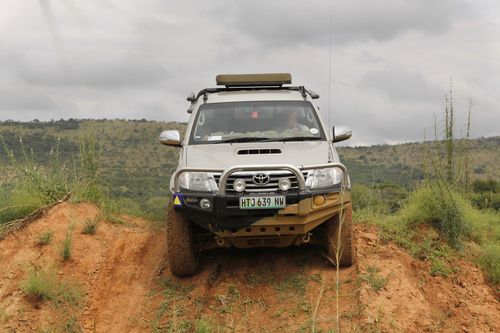
Used 4x4s often come with scars from past trails. Check for damaged bash plates, cracked body panels, dented rims, or worn tyres with uneven tread. Lifted suspensions, winches, or aftermarket accessories may signal serious off-road use—ask how the vehicle was used and whether the modifications were installed professionally.
Related: AWD vs 4WD: What’s the Difference and Which One Should You Choose?
4. Test the 4WD System
Engage both high-range and low-range 4WD to ensure they work smoothly. Listen for strange noises from the transfer case or differentials. If the vehicle has locking differentials or electronic terrain modes, test those as well. A working 4WD system is non-negotiable in a used off-roader.

5. Assess the Suspension and Steering
On the test drive, check for knocking sounds, excessive body roll, vague steering or uneven ride height. Worn shocks, bushes or steering components are common in high-mileage 4x4s, especially those used off-road.
Related: Beginner’s Guide to 4×4 Recovery Gear: What You Need and Why
6. Electrical Systems and Warning Lights
Modern 4x4s rely on complex electronics—check all switches, 4WD modes, infotainment systems and sensors. Warning lights that don’t switch off after startup could point to transmission or drivetrain issues.

7. Tyres and Wheels
Uneven tyre wear can indicate alignment issues or suspension damage. Mismatched tyres or incorrect sizes also affect off-road performance. Check the spare wheel—off-roaders will rely on the spare more than regular vehicles.
8. Legal and Paperwork Checks
Ensure the vehicle has no outstanding finance, accident write-offs or legal encumbrances. Request a vehicle history report and check the VIN matches across all documents. If buying privately, confirm the seller’s ownership.
Final Thoughts
A used 4×4 can offer years of reliable adventure, provided you do the right checks up front. Take your time, ask questions, and if in doubt, have the vehicle inspected by a trusted mechanic with experience in off-road vehicles.
Related: Explained: GVM, Towing Capacity and Payload
Click here and browse thousands of new and used vehicles here with CARmag!